
Many users choose Mac not only to use OS X, but also to meet the demand for Windows operating systems. This is a strong point for Mac in the battle between Mac and PC. Apple computers can be used with Windows, or with Bootcamp and virtual machines.
Many users choose Mac not only to use OS X, but also to meet the demand for Windows operating systems. This is a strong point for Mac in the battle between Mac and PC. Apple computers can be used with Windows, or with Bootcamp and virtual machines.
So can't Windows computers run OS X? The answer is yes. But this is in contrast to the Apple-licensed and licensed user agreements. So what is presented in the following article is for educational and simulation purposes only. If you want to use OS X in the best way, buy yourself a Mac.
Open Finder and navigate to your Snow Leopard drive. Download the Mac OS X 10.6.8 Combo Update; Download MultiBeast; Open MultiBeast– don’t run it yet, just leave it open. Set up windows as shown. Mount the Snow Leopard.DMG file, then use Disk Utility and save a writeable.DMG file to your desktop. Un-Mount the Read-Only.DMG and Mount the newly created writeable.DMG. Open the image, click Go In the Top Menu Bar and select “Go To Folder” then type “/Volumes//System/Installation/Packages. Download and install the freshest version of VirtualBox for your OS. Launch VirtualBox and choose “New”. A special wizard will be started to help you to set up everything proplerly. Name your vertical machine as “OSX” and choose “Mac OS X” from OS menu, and “Mac OS X Server” from Version menu. Choose some RAM for your VM.
Minimum hardware requirements must support virtualization technology and features. It is best to use processors from the Core 2 Duo, Quad Core, or Core i7 series (if available). But the most important thing is that you must use Intel series processors, not AMD.
In this test, we will install OS X after Windows through the virtual machine system, and the most suitable application is VMware Workstation 7. If you cannot afford the Workstation 7 license, you can use it. Use the free version here with the installation file size of about 512MB:
Workstation 7 installation process is quite simple, after completing this step, we must adjust and set up VMware to install Snow Leopard. Download this file and save it somewhere on your computer. Then unzip the downloaded file (this is actually just a disk image framework, not a virus or any malicious program). VMware Workstation will use and save this format to accommodate the core of the virtual machine.
To start installing Snow Leopard, start VMware Workstation from the Start >All Programs >VMware >VMware Workstation path . Then, open File >Open and point to the archive you downloaded above named Mac OS X 10.6 Server (experimental) . Then click the Open button to start loading the required files for the virtual machine:
At the Mac OS X Server tab of the VMware Workstation window, click the virtual machine adjustment icon. Here you can change the hard drive usage, memory allocation . depending on the actual system configuration. In the CD / DVD (IDE) section under Connection, select ISO Image File and point to the Darwin_Snow.iso file in the Snowy_VM folder:
Click the Power button on this virtual machine to start using the virtual machine you have just set up. When the system has booted up, press F8 key:
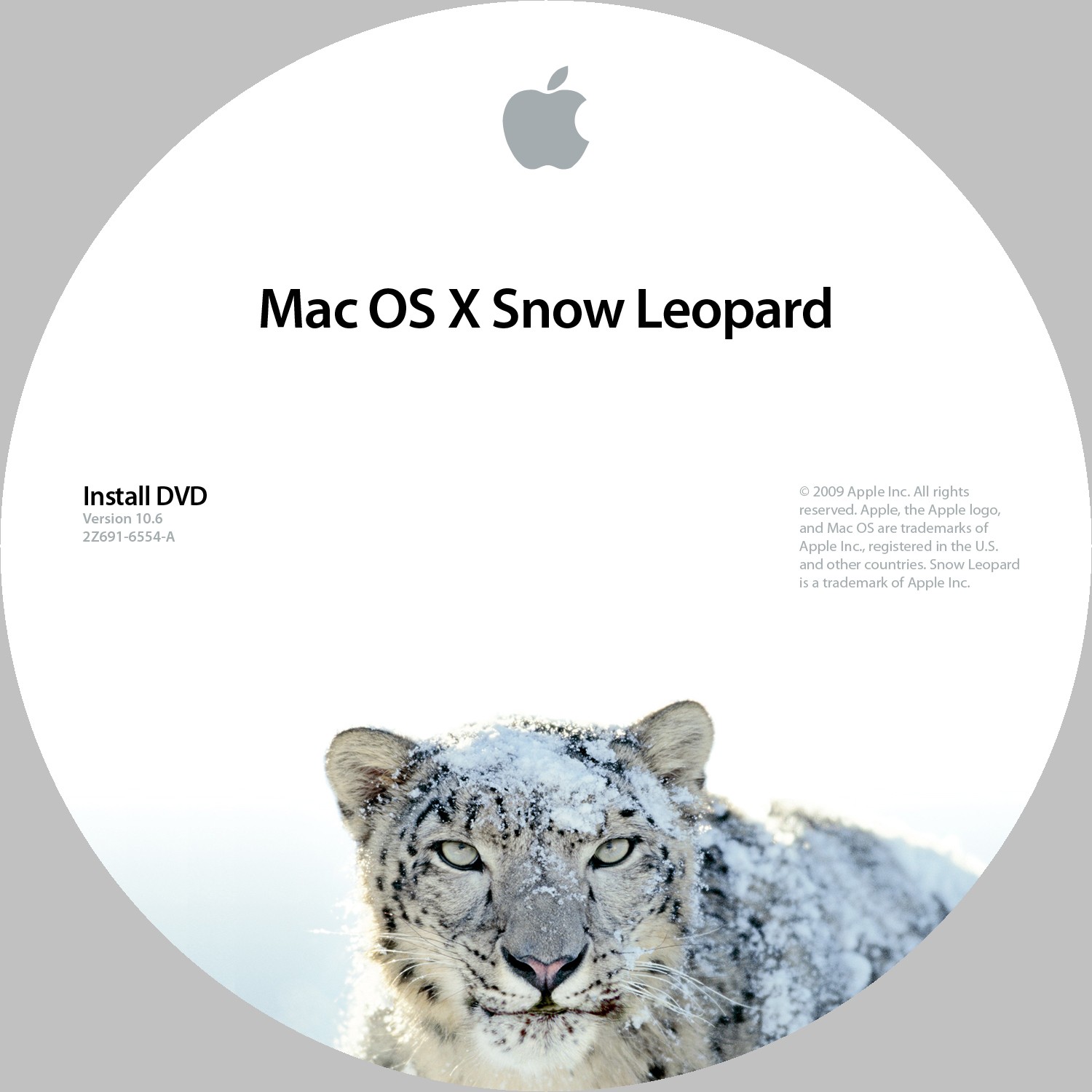
At this step, you directly use the OS X Snow Leopard installation disc and insert it into the CD / DVD drive. And the following is the step of installing Snow Leopard on that virtual machine file. If you look carefully, you will see a number of icons at the bottom right, right-click the CD icon and select Settings :
In the Connection box, select the use physical drive with the Auto Detect option. Then click Save> Exit:
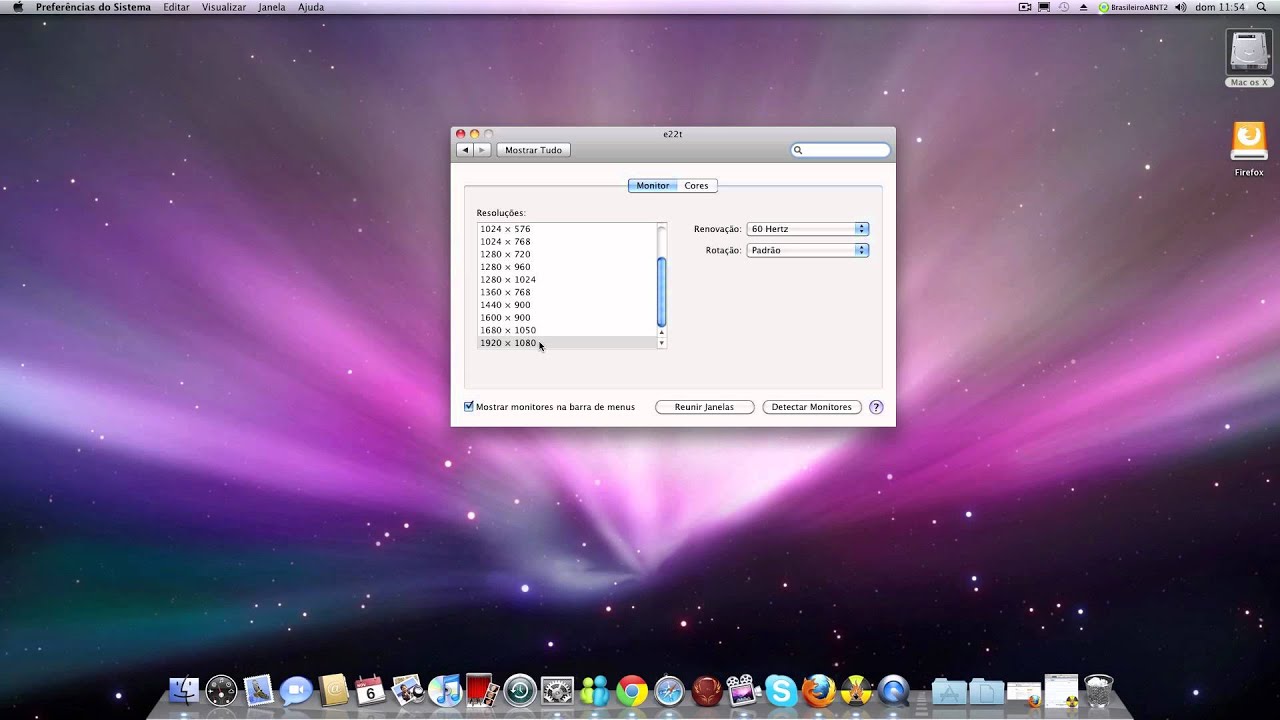
Go back to the boot screen and select C: Boot from DVD . Press F8 to use extension options, type -v and Enter. VMware Workstation will start installing Snow Leopard from the disk, the loading of boot files will take a few minutes:
And from this step on, you can install Snow Leopard in the usual way. Click Continue to move to step 2, here select utility applications and disk management to install (if desired). Use the hard disk partitioning utility to convert the current format to OS X Extended (Journaled). After restarting, you need to set up a few more steps to use Snow Leopard. At the CD / DVD section, we do not use the real CD / DVD drive, but return to using the Darwin_Snow.iso file in the Snowy_VM folder above:
This change will cause the virtual machine to boot Snow Leopard directly, without the installation disc. And to use Snow Leopard, you need to set up and reconfigure some functions for the system to boot completely. The above are a few steps to install and use Mac OS X Snow Leopard on a computer using a VMware program, based on the provided sample file. Your success!
Any OSx86 installation guide can seem daunting at first glance, especially when trying to remember cryptic terminal commands and sorting through volumes of misinformation on the web. This guide requires no coding, terminal work, or Mac experience of any kind. You will not need access to a Mac. In fact, it’s easier and faster for me to install Snow Leopard with fully working components on my system than it is to install Windows 7. And more fun.
The iBoot + MultiBeast method is designed and tested for any desktop or laptop running the latest line of Intel processors, the Core i3/i5/i7s. I have had reports of success with older machines as well including CoreDuo, Core2Duo, and even Pentium 4. However, AMD processors are not supported.
YOU WILL NEED
- A computer running an Intel Processor
- A blank CD
- A Mac OS X Snow Leopard Retail DVD
- To leave any fear of your computer at the door.
BEFORE YOU BEGIN
- If you have greater than 4gb of RAM, remove the extra RAM for a maximum of 4gb. You can put back any extra RAM in after the installation process.
- Use only 1 graphics card in the 1st PCIe slot with 1 monitor plugged in.
- Remove any hard drives besides the blank drive being used for OS X.
- Remove any USB peripherals besides keyboard and mouse.
- Remove any PCI cards besides graphics- they may not be Mac compatible.
- If using a Gigabyte 1156 board, use the blue Intel SATA ports– not the white Gigabyte SATA ports.
- It’s best to use an empty hard drive– you will have to partition and format the drive.
- Always back up any of your important data.
Mac Os X 10.5 Leopard
STEP 1: BIOS SETTINGS
You will need to set your BIOS to ACHI mode and your Boot Priority to boot from CD-ROM first. This is the most important step, and one many people overlook. Make sure your bios settings match these. It’s not difficult- the only thing I did on my Gigabyte board besides setting Boot Priority to CD/DVD first was set Optimized Defaults, change SATA to AHCI mode, and set HPET to 64-bit mode.
STEP 2: INSTALL MAC OS X
In order to boot the Mac OS X Retail DVD, you’ll need to download and burn iBoot. For desktops and laptops using unsupported Intel CPUs and graphics, a legacy version of iBoot can be downloaded here.
- Download iBoot
- Burn the image to CD
- Place iBoot in CD/DVD drive
- Restart computer
- At boot prompt, eject iBoot
- Insert your Mac OS X Snow Leopard Retail DVD and press F5
- When you see the screen below, press enter to begin the boot process
- When you get to the installation screen, open Utilities/Disk Utility. NOTE: If you cannot get to the installation screen, retry from Step 4, type PCIRootUID=1 before hitting enter. If that doesn’t work then try PCIRootUID=1 -x or just -x which will enter Mac OS X Safe Mode and will allow you to proceed. For some graphics cards, use GraphicsEnabler=No boot flag to proceed.
- Partition your hard drive to GUID Partition Table
- Format your hard drive to Mac OS Extended (Journaled). NOTE: The bootloader can only boot from a disk or partition of 1 TB or less. Partition larger drives.
- For the purposes of this guide, name it Snow Leopard. You can rename it later.
- Close Disk Utility
- When the installer asks you where to install, choose Snow Leopard
- Choose Customize‚ and uncheck additional options. This will hasten the install process. You can always install this stuff later.
- Restart computer.
- Place iBoot back in drive.
- When you get to the boot selection screen, choose your new Snow Leopard installation.
Mac Os X Snow Leopard
- View the super-cool Mac OS X Snow Leopard Welcome Video, and set up your computer!
STEP 3: UPDATE TO 10.6.8
If you have a Sandy Bridge system, please follow these specialized instructions to update to 10.6.8.
- Open Finder and navigate to your Snow Leopard drive.
- Download the Mac OS X 10.6.8 Combo Update
- Download MultiBeast
- Open MultiBeast– don’t run it yet, just leave it open. Set up windows as shown.
- Mount MacOSXUpdCombo10.6.8.dmg
- Install MacOSXUpdCombo10.6.8.pkg
- Upon completion, the installer will ask you to reboot. DO NOT REBOOT.
- Switch to the already open MultiBeast. If it closes, just re-open it.
STEP 4: MULTIBEAST
MultiBeast is an all-in-one post-installation tool designed to enable boot from hard drive, and install support for Audio, Network, and Graphics. It contains two different complete post-installation solutions: EasyBeast and UserDSDT. In addition it includes System Utilities to rebuild caches and repair permissions and a collection of drivers, boot loaders, boot time config files and handy software.
Choose one of the following options directly following a fresh installation and update:
EasyBeast is a DSDT-free solution for any Core/Core2/Core i system. It installs all of the essentials to allow your system to boot from the hard drive. Audio, Graphics and Network will have to be enabled separately.

UserDSDT is a bare-minimum solution for those who have their own pre-edited DSDT. Place your DSDT.aml on the desktop before install. Audio, Graphics and Network will have to be enabled separately. HINT: Check the DSDT Database for a pre-edited DSDT.
- Run MultiBeast.
- If you have a custom DSDT that’s been edited, place the file on your desktop and chooseUserDSDT.
- All others select EasyBeast
- Select System Utilities.
- Optionally, you may install further drivers via Advanced Options to enable ethernet, sound, graphics, etc… Be sure to read the documentation provided about each installation option. NOTE:EasyBeast, and UserDSDT install the bootloader by default, so you’ll not need to check that option.
- Install to Snow Leopard– it should take about 4 minutes to run scripts.
- Eject iBoot.
- Reboot- from your new Snow Leopard installation drive.
Congratulations! You’re done!!
Your PC is now fully operational, while running the latest version of Mac OS X Snow Leopard! And you have a nice Boot CD to get into your system in case things go awry. Boot your system from iBoot if you have issues. You may run MultiBeast as often as you like.
If you can’t boot, try typing -x at the boot prompt to enter safe mode, or just boot with iBoot. When you get to the desktop, you can make all of the changes you need to. The best way to start fresh is delete whatever you’re trying to get rid of- including the whole /Extra folder, as most kexts are installed there. Then you can re-run MultiBeast. As long as you rebuild caches and repair permissions after you’re done, you can do just about anything you want to /Extra/Extensions and /System/Library/Extensions. Anything can be tweaked and enabled upon subsequent uses of MultiBeast.