
The macOS Mojave was the fifteenth release from Apple for their macOS family and was made available to the public on the 24th of September in 2018. The macOS Mojave 10.14.1 (the updated version) was released on the 30th of October of the same year with a couple of new updates.
Method #1: Create Windows 10 Bootable USB/DVD on Mac Using Disk Utility. Instead of trying out with an external agent, it would be better to make use of the in-built application of Mac, called Disk Utility to burn the ISO image files on disk to make them bootable. Downloading the Windows 10 iso image using MAC OS is quite easy. Open the safari browser and head over to the following URL Under the Select Edition – Select “Windows 10” and click on confirm. Your Mac will now restart, and you'll be brought right back to macOS. To get back to Windows 10, and indeed another way to switch from Windows 10 to macOS, is to restart your Mac and hold down the Option key on your keyboard until a boot menu appears.
It succeeded Mac OS High Sierra 10.13 which was released on the 25th of September in 2017 and was preceded by the macOS Catalina 10.15 which was released on the 7th of October in 2019. This macOS is known to be the last one developed by Apple to support 32-bit applications as macOS Catalina only supports 64-bit applications.
Windows 10 Download Iso For Mac
Download Latest Version: macOS Catalina 10.15 ISO & DMG Image
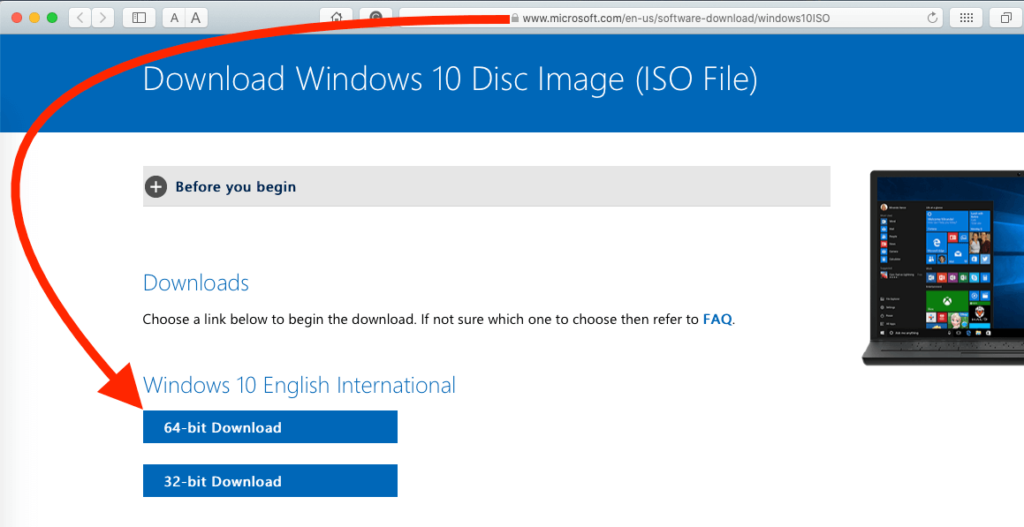
Niresh Mac OSX Yosemite 10.10.1 DVD ISO Free Download;. Mac os x snow leopard 10.6.8 iso highly compressed. Tiger to developers and the public for the first timewhile older versions of os x made you decide what kind of. Mac os x, live, lion, linux, operating system, highly compressed, download, mac os x live highly compressed. Here’s how to install Windows 10 for free on your Mac. Go to the Windows 10 ISO Disc Image download site where you can download a 64-bit version of Windows 10 Home or Windows 10 Pro. Be careful to select the full version of Windows not an update. Select the language that you want Windows 10 to be in.
License
Official Installer
File Size
5.6GB / 5.9GB
Language
English
Developer
Apple Inc.
Tutorial: How to Install Mac OS on Windows PC using Virtual Machine.
There were a large number of new features and additions introduced in macOS Mojave that made it successful. In particular, Dark Mode, Stacks and the improved App Store received fine praise. Additions to the Finder and Screenshot features helped improve their ability to serve the needs of the users greatly. The focus on strong security for the user’s information was also viewed favourably.
At the same time, the macOS received criticism for its beta performance issues. Not all the features implemented on the system were completely developed either. Despite these shortcomings, macOS Mojave was seen as a powerful step forward for Apple towards its future products.
Productive Features of macOS Mojave 10.14.1
Here are some of the features that were introduced in Mojave and some of the pre-existing ones that have been reworked:
- Finder Quick Actions- This is a useful feature that will allow users to create a PDF or rotate an image without the use of an app. The user can explore the kind of actions that they can perform by checking out the Quick Actions menu.
- Finder Preview Panel- Like before,this feature allows the user to have a small glance into a document or an image without actually opening it. Additionally, users will now be able to be aware of details about the document or images such as the date of document creation or the kind of lens used for taking a photo.
- Quick Look- A pre-existing app on macOS Sierra, Quick Look allows users to see files, folders or photos without even opening them. With the new Markup feature, photos and PDFs can now be cropped or rotated. Text can also be added to them.
- Security improvements- Ad trackers that constantly bombard users with advertisements when they show interest in a product will now be blocked by the macOS. The macOS also now asks the user for permission for apps to use their Mac’s microphone and camera. Permissions will also be asked for other things such as browser data and message history.
- Safari Favicons- Since favicons were not available in Safari before, most people preferred to use Google Chrome. Now, favicons are available in Safari which means that users will be able to enjoy what they have been desperately waiting for. With the aid of favicons, users will now have much greater ease identifying their tabs without having to open them. This may be a small addition but it has made many users incredibly ecstatic.
- Dock- This is a pre-existing feature that can be used to get to apps and features that users are prone to access on a daily basis. In macOS Mojave, the Dock will show users up to 3 apps that they have used recently. Since not everyone is a fan of this feature as some find it annoying, they can turn it off if they wish.
- Facetime- Users can now chat with up to 32 people at the same time. If there is a group call happening, each participant can join in whenever they want during the active duration of the call. Group messages can also be sent in Facetime.
- App Store- The App Store has received many new additions to its already impressive set of features. The newly introduced Discover tab helps users find apps that they may have missed out on before, based on their preferences. The Create app will help users who are interested in producing content through methods like video editing and filmmaking.
- Dark Mode- By using Dark Mode, users will now be able to switch between Light Mode as well as Dark Mode. Using this new mode, users can protect their eyes from strain when they are working at night. The blue light that is emitted from the Mac screen is not good for the user’s eyes and Dark Mode helps reduce it greatly. The mode makes it easier to read text on the screen if there is good contrast between the screen and what the user is reading. Using Dark Mode can also help save battery life.
- Continuity Camera- If the user’s Mac and iOS devices are in close proximity to each other and both have their Wi-Fi and Bluetooth turned on, this feature can be used. It allows users to have whatever they scan or take a picture of on their iOS device be immediately available for display on their Mac. This feature can save a lot of time that would normally be taken in transferring photos or documents from iOS devices to the Mac the manual way.
- Dynamic Desktops- This feature changes the wallpaper of Mac’s screen according to the time of day. In order to use this feature, the user must have their Location Services enabled as the feature needs this information in order to be able to draw a match between the lighting outside in the user’s location with the wallpaper that they have on their screen.
- New ported apps- A few apps have been ported to the macOS Mojave from the iOS, namely News, Stocks, Voice Memos, and Home. News is an incredibly informative app that will provide users with updates and news pages from the world. With Home, users will now be able to connect their Mac with their HomeKit accessories which help them control their environment(light-bulbs, smart door locks, etc). If you wish to use your voice to record yourself singing or create voice memos, Voice is the app for you. Users can also sync their voice memos with all their iOS devices. Stocks will help the user get all of the financial information and stock market details that they need, complete with excellent diagrammatic representations with the appropriate statistical data attached.
- Stacks- Having a messy desktop can be excruciating to deal with it, especially for those who try to organize the multitude of files on their Desktop and end up failing. With the Stacks option, those worries can now be put to rest. Users will now be able to neatly arrange their files into neat stacks according to their wishes. There are different fields according to which the stacking can take place depending on the user’s preference such as the date the file was last modified or the date that the file was created. Stacks has been praised as one of the brightest additions introduced in macOS Mojave.
- Screenshot markup- There are many more options to take screenshots in macOS Mojave. These include being able to screenshot the entire screen, a specific window, or a specific area. The user is also able to screen record the entire screen or a specific part of it according to their preferences(for video purposes). They can also add text, shapes, or color to their screenshot if they wish.
- Siri- Siri has always been an important part of the Apple family and a great virtual assistant to users. In macOS Mojave, Siri is now able to control HomeKit devices and can also assist the user in finding their saved passwords.
- Updates- Normally, updates are performed through the App Store. In macOS Mojave, there is a Software Updates panel under System Preferences that has been designed especially for this purpose.
- Inclusion of new emojis- This may not seem like addition of great importance but the excitement that comes with it is nothing short of huge. More than 70 new emojis have been introduced to Apple’s emoji family.
- Emojis in the mail- Emojis can now be included in the user’s mails. There is a convenient shortcut available that the user can utilise in order to do this.
How to download the macOS Mojave ISO and DMG files
There are certain conditions that have to be satisfied before proceeding with the download. Using a verified link online, the user should download VirtualBox or VMWare. After this is done, the user should proceed to the Terminal and type in the required commands that come under each of the specified steps below:
- Creating a virtual disk for the installation media.
- Mounting the virtual disk.
- Writing the installer to the mount point.
- Unmounting the installer app.
- Converting the DMG file to the ISO format.
- Changing the file extension to an ISO file.
Windows 10 Iso Direct Download For Mac
Requirements for macOS Mojave 10.14.1
The user’s Mac must have a minimum of 2 GB of RAM and 12.5 GB of available storage space in case they are upgrading to macOS Mojave from any one of its predecessors from OS X El Capitan and onwards. It will require 18.5 GB of available storage space if the upgrade is for an OS that is or precedes OS X Yosemite.
Steps to download macOS Mojave 10.14.1
Please follow these steps below in order to download macOS Mojave 10.14.1:
Check if the Mac system is compatible with macOS Mojave 10.14.1
The user should check if their Mac model is compatible with the macOS that they are about to download and install. These are the models that are supported:
- MacBook(2015 and onwards)
- MacPro(2013 and onwards)
- MacBook Pro(2012 and onwards)
- MacBook Air(2012 and onwards)
- iMac(2012 and onwards)
- Mac Mini(2012 and onwards)
Windows 10 Iso Download 64 Bit
Backup the system
The user should backup all of the important files that they may be afraid of losing. Time Machine is an excellent inbuilt feature that can help the users take care of this. The user should connect their system with an external storage device and then let Time Machine backup their files to this location. If the user’s original files are ever deleted or gone, they can use their backup files. DropBox, iCloud and OneDrive are also great alternatives to Time Machine.
Ensure that a strong Internet Connection is present
A lot of time is required to download and install macOS Mojave and the user should be thoroughly prepared for this. They should ensure that their Mac is connected to a strong Internet connection so that there are no interruptions in the download or installation of the macOS.
Download the macOS
The user can now download the macOS from their App Store.
Allow the Installation process to take place
The user will be prompted to begin the installation process once the download has been completed. The instructions displayed by the installer should be carefully followed and completed accordingly by the user. It is recommended that the user perform the installation in the evening so that the process can get completed overnight. They should ensure that their Mac’s lid is not closed and they should not enable the Sleep option either.
Enjoy the macOS for yourself
The user should patiently wait for the installation process to get completed( this process may take a very long time). Once it is done, the Mac will be restarted. After this, the user will be able to enjoy using and experiencing macOS Mojave 10.14.1 themselves.
If you have not tried out the macOS Mojave 10.14.1, we strongly suggest that you give it a try. Apple has done an incredible job of trying to improve upon the previous macOS High Sierra version. There has been a massive influx of new features in this version that we are sure you would love to try out.
Please peruse this article thoroughly before you update your Mac’s current OS to macOS Mojave 10.14 so that you will not miss out on any important information that you may require. We are so happy that we got the opportunity to be able to help you through this article. Please do reach out to us in the comments section below if you have any queries and we will help resolve them for you.
Mac OS Mojave 10.14.1 ISO & DMG Files Direct Download - ISORIVER
The macOS Mojave was the fifteenth release from Apple for their macOS family and was made available to the public on the 24th of September in 2018...
Price Currency: USD
Operating System: Mac OS Mojave 10.14
Application Category: OS
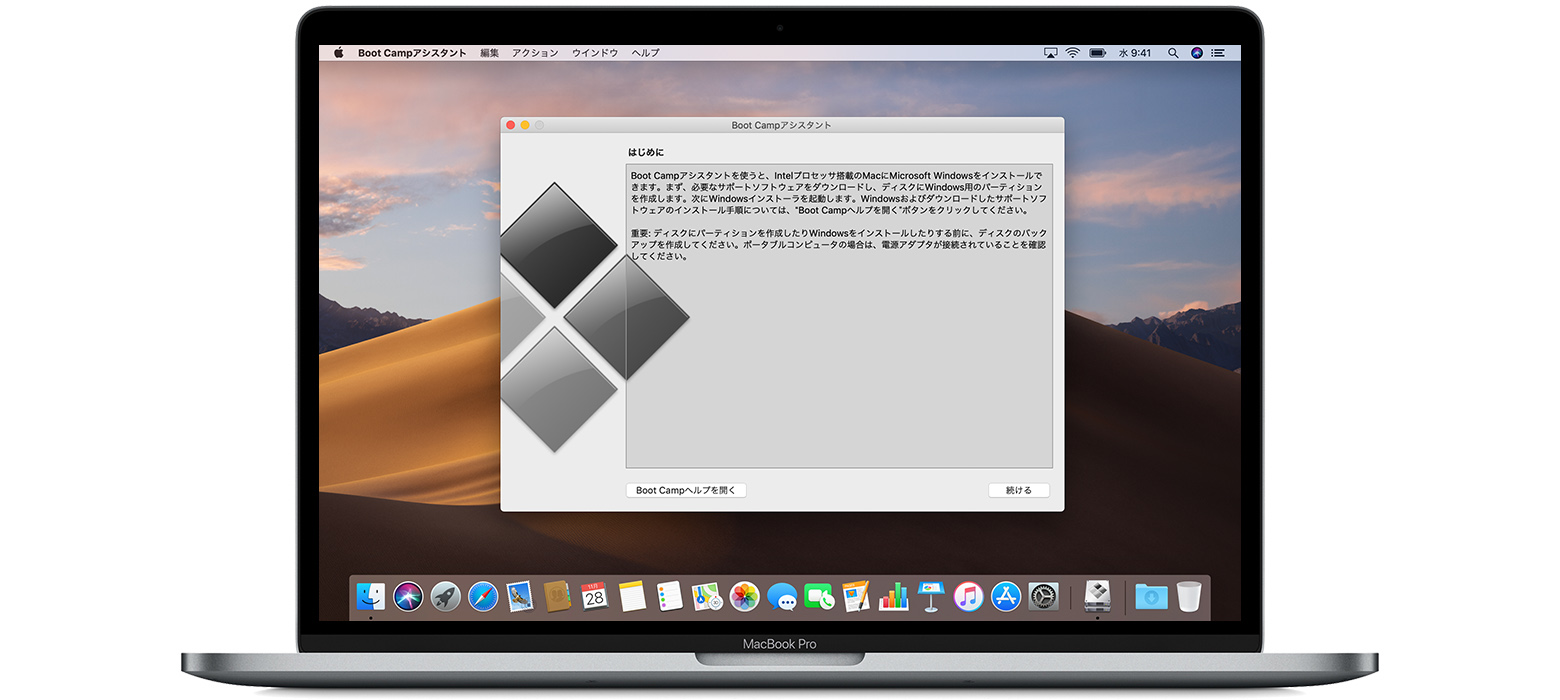
Many times you want to install Windows 10 on a Mac computer with the intention of running your favorite windows games, applications which don’t have a version for Mac OS, or solve some Windows issue especially for boot-related issues. Regardless of the causes, you need to first create a Windows 10 bootable USB from ISO on Mac OS. As a Mac users, you might know that Apple provides an custom-tailored solution called Bootcamp to help create a Windows bootable USB. But in fact, creating Windows bootable USB on Mac isn’t as straightforward as you think, in the creating process, naturally there will be a variety of problems.
We've also received lots of emails from readers asking why Bootcamp wouldn’t allow me to use Windows 10, despite the fact that my laptop is compatible. BootCamp doesn't always work well, especially in creating Windows 10 bootable USB installation media, the most common errors you will encounter: 'failed to load BOOTMGR' or 'not Enough Space'. Another reason is Apple has already stripped the ability to make Windows 10 bootable USB in last release of Mac OS, and it is a problem because that require uses other tools. It’s believed that each software has its own pros and cons, Boot Camp is no exception. But it’s still a outstanding tool which is developed by Apple, so, this article will give priority to Boot Camp and also shows 4 intuitive approach to help you make a Windows 10 bootable USB on mac with or without Boot Cam Assistant.
Method #1: Create A Bootable Windows 10/8/7 USB on Mac with Bootcamp
As a dual-boot booting tool, Boot Camp Assistant is highly regarded in the field of creating Windows 7/8/10 bootable USB since it was released, it provides the ability to download drivers, re-partition, and add new partition on your Mac. But sometimes you will find bootcamp tool doesn't allow any customization of the process. Before using it, you need to know that your USB installation media will be formatted as FAT32 file system, which can’t store files larger than 4 GB. Let’s see how it works.
Step 1. First of all, make sure you’ve download a Windows 10, or Win7, 8 ISO image file on your Mac computer. Then you need to move ISO file to your USB drive by using Boot Cam.
Step 2. Now, insert your USB dive with at least 8GB to your Mac computer, make sure you’ve created a copy for your important file because your USB will be formatted.

Step 3. Launch the Boot Cam Assistant from Utilities, then check the two options: Create a Windows installation disk and Install Windows 7 or later version. Click Continue to proceed.
Step 4. when you go to this step, Boot Cam Assistant will detect and locate your ISO image file, click choose button to find and import the right one, and click continue. It may take some times to format your USB, please wait.
Step 5. When the process is complete, you will see that your USB drive will be renamed as WINNSTALL, this is your windows 10 bootable USB tool! Click Quit to close the app and then Eject the USB drive.
That's it! You’ve successfully made a bootable USB drive with Windows 10 OS, and you can use it to configure new Windows 10 PCs from scratch.
Method #2: Create A Bootable Windows 10 USB On Mac with PassCue for ISO
Making a bootable USB is not as easy as copying ISO file to your USB drive,it requires professional ISO writing tool to burn it to USB drive instead of copying. For Mac users, There may have many chance to encounter some unknown errors when using Bootcamp to create a Windows 10 USB disk on Mac, like Bootcamp failed to load bootmgr, not recognizing iso or usb not enough space,etc. So you desperately need to find a way to create bootable USB without Bootcamp.
Fortunately, PassCue for ISO is a wonderful tool which can burn, create, edit and extract ISO files from any files, folders and operating system files. It has been adopted on a large scale by various users and widely recommended. It provides 5 key functions for your ISO operations including: Burn ISO, Extract ISO, Edit ISO, Create ISO and copy disc, it works very effectively in both Windows and Mac OS.
Step 1. Get the software downloaded from above button and install it on your Mac with proper step instructions. Launch the tool with admin privileges to enable every kind of possible authorities. Once the tool screen turns up, you should see there are five functions including Burn, Extract, Cretae, Edit and Copy Disc. To make a Windows 10 bootable USB, then you need to choose the first option “Burn” and next.
Step 2. As you can see, you’re allowed to create a Windows 10 bootable disk with USB drive or DVD/CD, here, just insert your USB drive to your Mac, then import ISO file by clicking browse button. Select your file format from the 'System File' section as FAT, FAT 32, NTFS.
Step 3. In the partition style, it provide two mode to choose based on your ISO file: MBR or UEFI. If MBR won’t boot, then change UEFI mode to create again. When all settings are complete, click Burn button to begin, it will take 5 - 10 minutes to complete the burning process.
Step 4. When the burning is complete, you can open your USB drive and see there are many boot files inside it. Take out of your USB drive and try to install Windows OS on your other computers.
As you can see, this method is so easy and safe! Never damages your ISO file. If you don’t find the method satisfactory and have plans to try out a different approach, you are most welcome to do so.
Part 3 : Create A Windows 10 Bootable USB on Mac without Bootcamp
As we mentioned above, creating a bootable USB Windows 7/8/10 on mac OS isn’t as simple as you might think. You will need Terminal tool on Mac to perform some command. Before we start make sure you have an effective ISO file and have USB flash drive with not less than 4GB capacity. Here are the steps to be performed on a Mac to create a Windows 10 USB Bootable Installation Drive on mac.
Step 1. Connect your USB drive to your Mac.
Step 2. Open a Terminal (under Utilities)
Step 3. Now you need to Run diskutil list and confirm the device node assigned to your USB flash media disk2.
Step 4. Type the following command.
hdiutil convert -format UDRW -o ~/path/to/windows-10-iso.img ~/path/to/windows-10-iso.iso
Step 5. Replace /path/to/downloaded.iso with the path to where the image file is located; for example, ./windows10.iso). This command will convert the ISO file to IMG format.
Step 6. Type the following command to check the location of your USB drive:
diskutil list
Step 7. Next, you need to type the command to Unmount the USB drive, then replace /dev/diskX with the location of your USB drive.
diskutil unmountDisk /dev/diskX
Step 8. Finally, run the following command to create Windows 10/8/7 bootable USB on Mac.
sudo dd if=/path/to/windows-10-iso.img of=/dev/rdiskX bs=1m
Step 9 . Then try to replace /path/to/windows-10-iso with the real filepath of the ISO file and /dev/diskX with the location of the USB drive. This command will take some time, and once it’s complete, you can eject the USB drive by this command: diskutil eject /dev/diskX
Once the process is complete, you can see the data will be copied and your USB will be bootable.
Part 4 : Create Bootable USB Windows 10 on Mac with UNetbootin
UNetbootin is free software and the latest release of new features in UNetbootin focuses on cross-platform technology that allows you create bootable Live USB drives for Ubuntu, Fedora, and other Linux distributions without a CD. It can run on Mac, Windows and Linux. Now, I will show a detailed tutorial.
Step 1. Like other method 1, you can also need to check the path name of the USB drive. After you insert your USB to your Mac, open the Disk utility on Mac OS X, select the USB drive from the left panel and click Info button. Write down the USB name info for the next usage.
Step 2. Now, you need to download UNetbootin tool then install it on your Mac, launch it. And copy the app to the /Application folder. Select the Diskimage button and import your ISO image file.
Step 3. In the panel, select the USB drive in the Type option, and select your USB drive on UNetbootin. Click on the OK button and wait to the process end!
In my opintion, It’s easy to use and doesn’t damages your system. But there still some users reported that UNetbootin is not working. Good luck to you!
Related Articles